Who we are
Our vision: To encourage evidence-based actions that strengthen the connection between gender and forests.
Our Purpose: To deepen the role of gender in forest-related processes, such as may involve policy-making, livelihoods, and forest governance.
Our Mission: To fill research gaps through evidence-based studies and data analyses on the gender dynamics of Guyana’s forests. With this research, the Group will help build a national capacity to design and implement forest-related projects that impact positively on gender.

A shared vision
We are happy that our vision resonates with development partners and are grateful to have benefitted from the financial and in-kind support of the Guyana Forestry Commission, the Palladium Group, the Food and Agriculture Organisation (FAO) and the Iwokrama International Centre for Conservation and Development. This partnership has resulted in the successful publication of our first two studies, which can be found on our website.
The Gender and Forests Group brings together practitioners from different sectors. We are passionate about development. We are united in a mission to explore the relationship between gender and forests and to bridge identified gaps. At a time where the global focus is shifting to climate change mitigation and the sustainable use and management of natural and forest resources, it is imperative to understand the gender dynamics of the forests. This would aid significantly in optimising the potential of both women and men in promoting a participatory and inclusive approach to sustainable development and management of our forests.

Guyana’s green cover
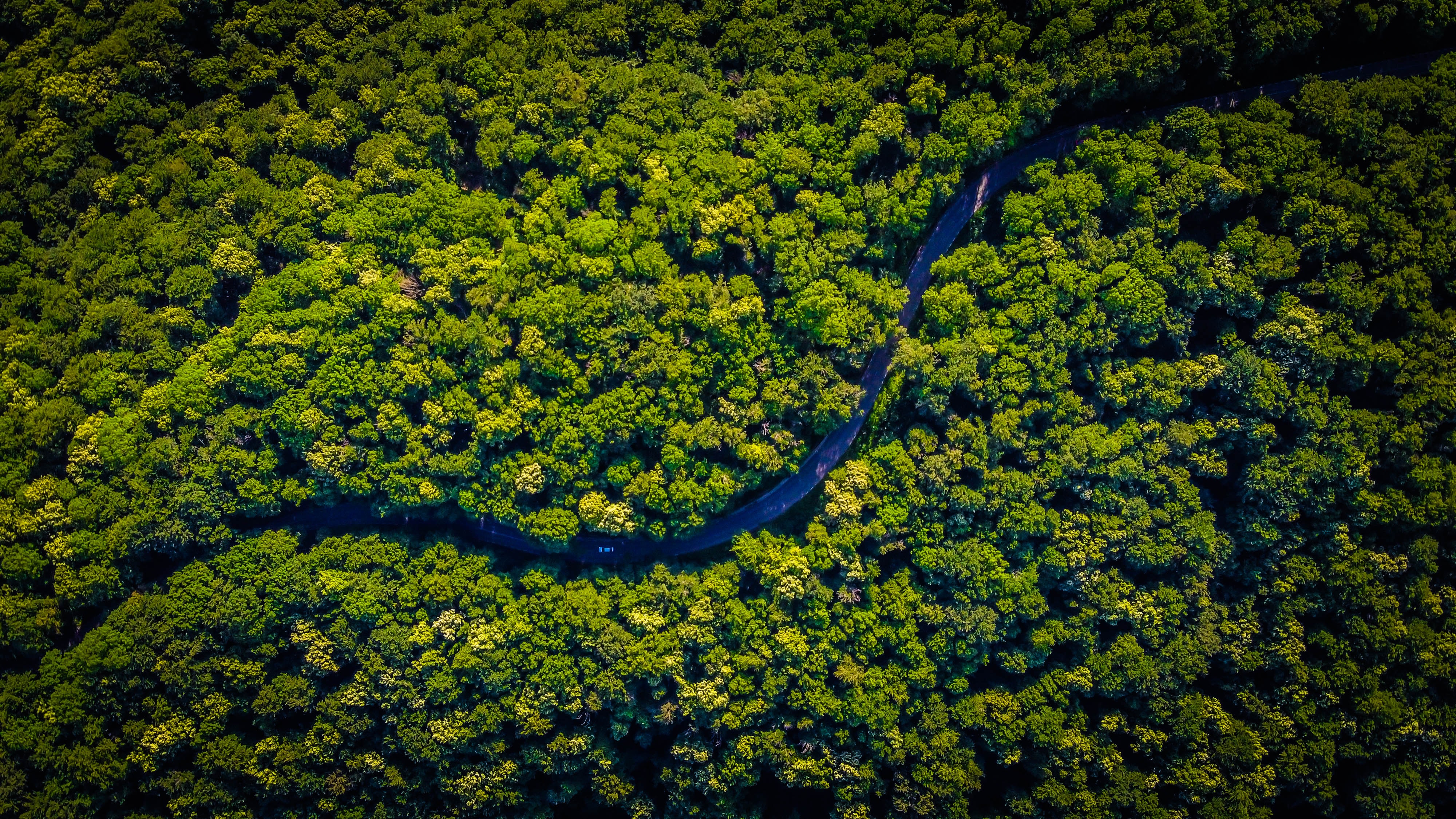
Guyana is among the most forested countries in the world, with approximately 85% or 18,483,000 ha of its land surface covered in forests. 12,549,000 hectares have been allocated as State Lands and are directly managed by the Guyana Forestry Commission. Of this, 4,792,420 ha (37.25%) are allocated to the forest industry for
timber extraction, while another 751,217 ha are designated protected and research areas. Additionally, 3,077,000 ha of the forest cover are titled lands privately owned by Indigenous Peoples.
The forest sector remains an essential contributor to Guyana’s economy despite the country’s staggering economic growth since the discovery of oil, representing nearly 2% of the GDP (2018). Most businesses are Guyanese and family-run, investing mostly in harvesting and sawmilling.
Understanding gender dynamics in forests
The FAO’s State of the World’s Forest 2022 report indicates that about “3.2 million women were employed in the forest sector in 68 countries for which data were available in 2017–2019”, totalling 23% of forest-related employment in those countries. Women represent 4 to 49% of this employment rate.
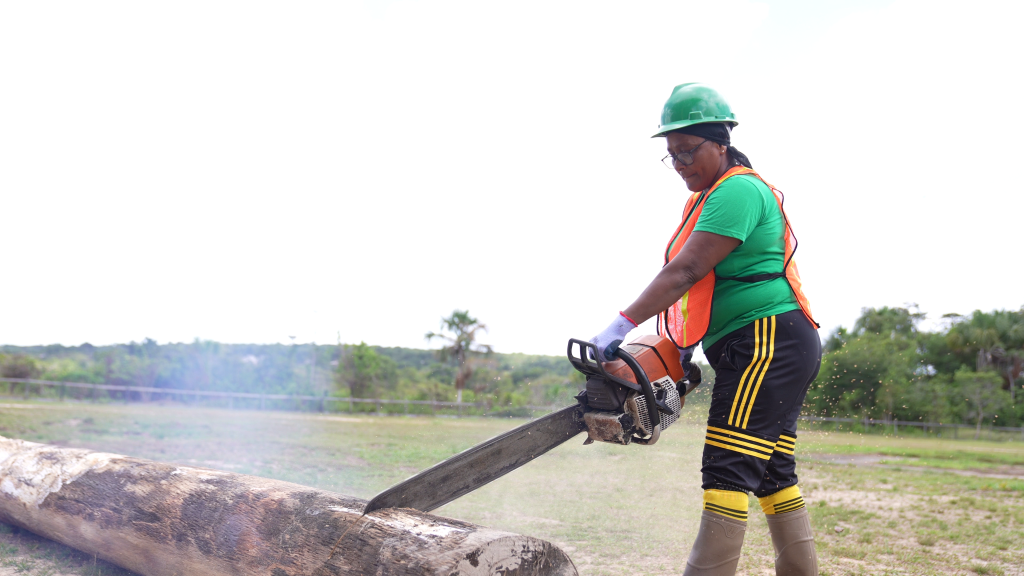
In Guyana, women are well represented in leadership positions in the community and are actively part of the administration of community forestry organisations, while men assume the more physically demanding roles of the sector. This is according to a study published by the Gender and Forests Group, which also highlights the need for more extensive research on the relationship between gender and forests in Guyana, an area to date largely unexplored.
 GENDER AND FORESTS GROUP